The Gawilan Refugee Camp
Gawilan Refugee Camp, located in the Duhok Governorate of the Kurdistan Region of Iraq, is a remote settlement established in September 2013 to accommodate Syrian refugees from northeast Syria as other camps reached capacity. The camp has expanded multiple times, including in October 2019 and 2023, to address ongoing displacement and secondary. Managed and coordinated by the Barzani Charity Foundation (BCF) under a sub-contract from Iraq’s Ministry of Interior’s Directorate of Migration and Crisis Response (MoI/DMCR), with support from UNHCR and other humanitarian partners, Gawilan provides essential services including water, sanitation, health care, education, food assistance, and livelihood programs. As of late 2025, the camp hosts approximately 11,500 Syrian refugees, many living in a mix of tents and semi-permanent structures. Despite these supports, residents face significant challenges such as high unemployment, economic hardship, isolation from job markets, and the psychosocial impacts of protracted displacement. Education and child-focused activities remain priorities, with learning centers and recreational programs helping to foster resilience, skills development, and moments of normalcy for children and youth.
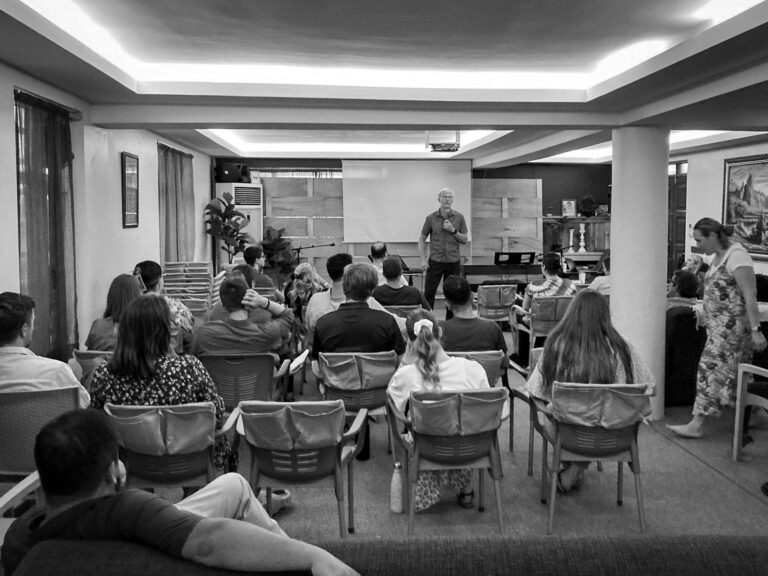
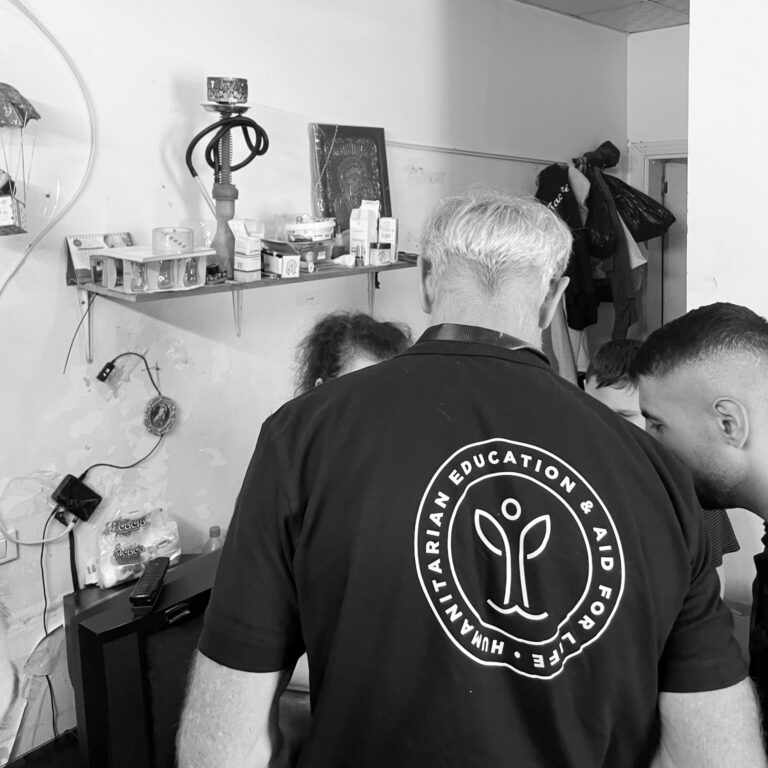
HEAL Humanitarian Program at a learning center in the Gawilan Camp
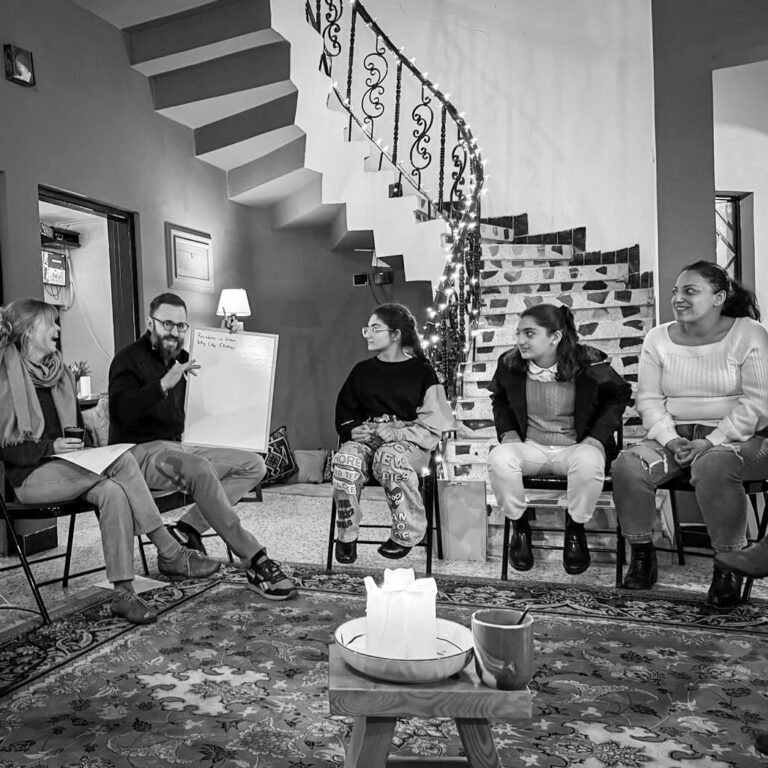
HEAL partnered with a non-profit organization that operates learning centers in the camp to deliver a holistic, child-centered day of creative skill-building activities tailored to children and youth.
Upon arrival, HEAL’s Arts team unpacked supplies, connected warmly with the learning center staff, and assisted as student participants socialized and gathered. Tables and a whiteboard were set up, and participants were divided into two age-appropriate groups: older teen girls and younger children.
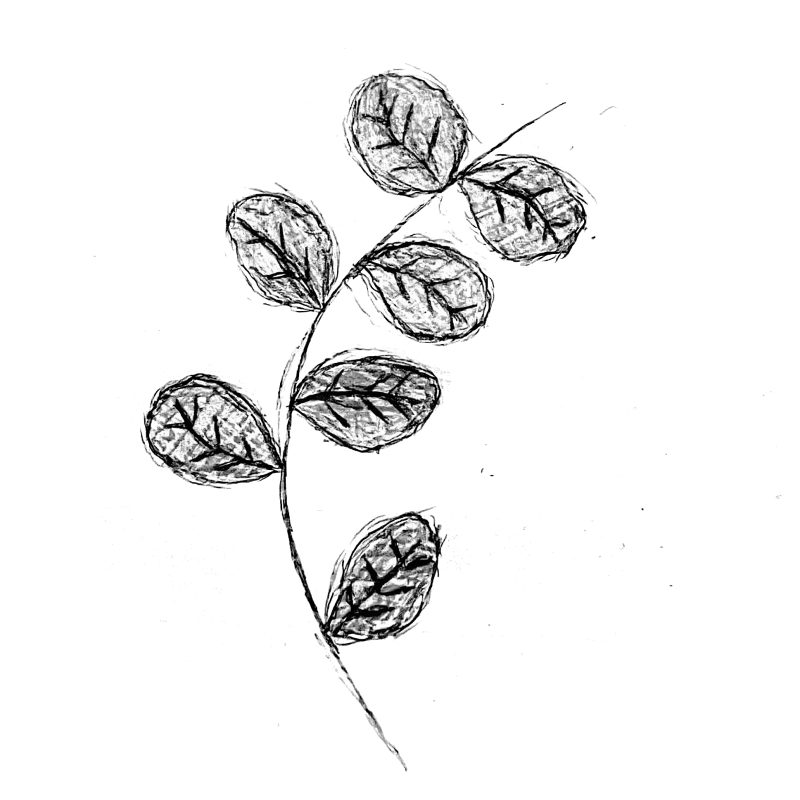
For the older teen girls, the HEAL Arts team introduced the beauty of creation by bringing in fresh, natural elements: collected leaves and branches. The girls were invited to slow down and marvel at the remarkable details hidden within every vein, curve, texture, shape, and subtle variation. Through guided, mindful observational drawing exercises, participants closely examined and artistically rendered these intricate forms, cultivating heightened sensory awareness, calm focus, patience, curiosity, and a deeper appreciation for the natural world. Some research shows that exposure to nature and nature-based art activities can reduce stress, anxiety, and PTSD symptoms while promoting emotional regulation, well-being, and a sense of safety, particularly for trauma survivors, as natural elements evoke positive memories, provide contrast to traumatic experiences, and shift focus toward restoration and hope.
The younger children participated in bracelet-making as a playful, skill-building craft. They selected and strung colorful beads into custom patterns, strengthening fine motor development, supporting cognitive growth through sequencing and planning, and delivering lighthearted enjoyment. This activity aligns with established benefits of beading for enhancing concentration, self-esteem, and stress relief among trauma-affected youth.
Following the bracelet-making and nature-based drawing, the group paused for a refreshing snack break featuring juice, treats for the children, and tea/coffee for adults. The HEAL team then facilitated interactive recreational sessions, guiding the children through lively, movement-oriented group games designed to promote play-based healing, encourage laughter, quick reflexes, social interaction, emotional release, and physical activity. These child-friendly activities incorporated high-energy elements that enhance coordination, gross motor skills, cardiovascular health, and overall well-being, creating safe, joyful moments of normalcy.
The program concluded on an uplifting note with the children performing a New Year song in the Kurdish language. The entire group reconvened to share their creations from the day: drawings, patterned bracelets, and reflections. This was followed by mutual words of thanks and encouragement for the students. After the children departed, the HEAL team debriefed with the learning center staff, exchanging appreciation, insights, and words of mutual encouragement to strengthen future collaboration.
This initiative exemplifies HEAL’s commitment to holistic support, blending creative expression, physical activity, and community connection to nurture resilience and joy in one of Iraq’s most isolated yet resilient refugee settings.