A Call to Action from the JCC
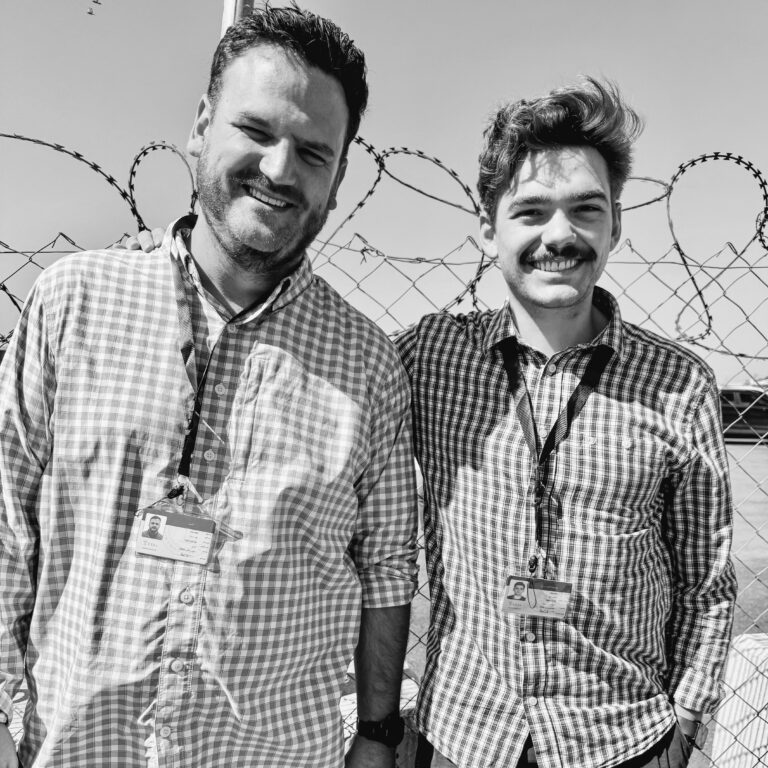
In September 2024, HEAL’s Director, Peter Staker, and Project Manager, William Ruch, met with Ms. Naz Saleem of the Joint Crisis Coordination Centre (JCC) in Northern Iraq’s Kurdistan Region to seek approval for the Al Sakhar medical assessment. When asked about the most urgent humanitarian issues, Ms. Naz highlighted the agriculture sector’s crisis, where farmers must dig deeper wells to access water for irrigation. Her insight into this escalating challenge has strengthened HEAL’s commitment to sustainable solutions. This post explores Ms. Naz’s claims, Northern Iraq’s agricultural struggles, and how HEAL’s hydroponic initiative is empowering communities, with plans to expand our impact.
Northern Iraq’s Agricultural Crisis
Ms. Naz’s concern about farmers digging deeper wells is well-documented. In areas like Sinjar, one in three farmers relies on boreholes costing $25,000–$40,000 due to declining groundwater levels (Norwegian Refugee Council, 2022). The Tigris River’s flow has dropped 33% since the 1970s, worsened by upstream damming in Turkey and severe drought (Fanack Water, 2023). In the Fertile Crescent, farmers like Abdul Hadi Mizher dig wells as deep as 50 feet without finding water, eroding their livelihoods (The New Humanitarian, 2018). Desertification affects 39–70% of Iraq’s land, with 60,000–100,000 acres lost annually, turning fertile fields into dust (UNDP, 2024). Outdated flood irrigation, used by 70% of farmers, wastes water, while conflict-damaged infrastructure from ISIS’s 2014–2017 occupation hampers recovery (FAO, 2023; NRC, 2022). Crop failures—37% of wheat farmers lost 90% of yields in 2021—drive poverty, with half of farmers below the poverty line, fueling migration and food insecurity (Iraqi Federation of Agricultural Associations, 2021). Employing about 25% of Iraq’s workforce, agriculture is critical but strained, contributing to a $10 billion food import bill (World Bank, 2023).
HEAL’s Hydroponic Laboratory
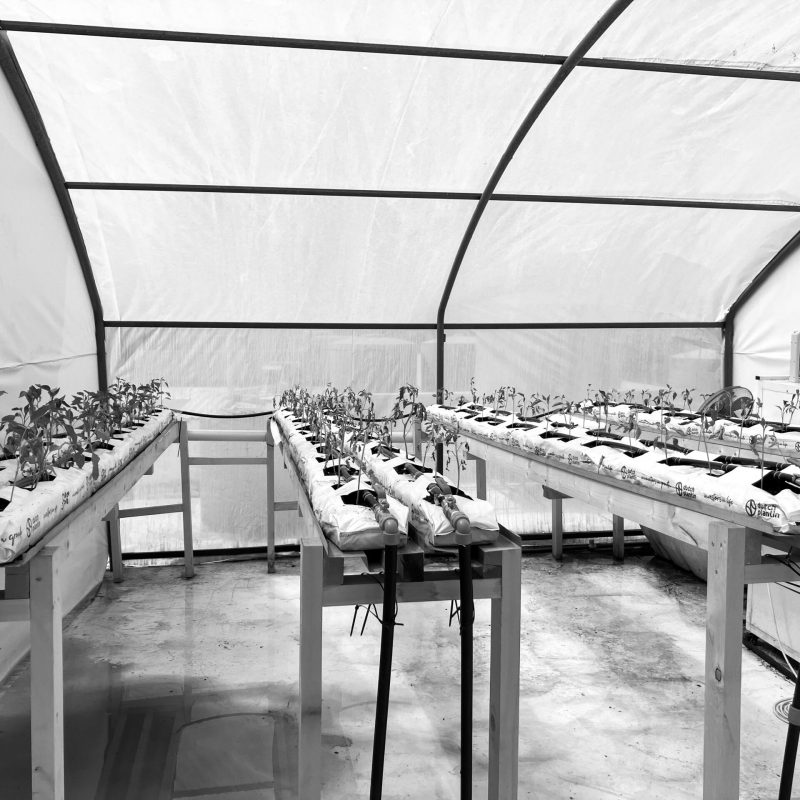
In April 2025, HEAL launched a hydroponic laboratory on our office rooftop to train communities in soilless farming using nutrient-rich water. Currently growing bell peppers, jalapeños, and tomatoes, we plan to distribute the produce to vulnerable populations in the region, addressing food insecurity. Hydroponics uses 70–90% less water, essential where 50-foot wells fail (FAO, 2023), and yields 3–10 times more crops per square foot, ideal for desertified land (UNDP, 2024). It enables year-round farming despite 122°F summers, recycles water to combat soil salinization and boosts farmer incomes, reducing reliance on costly boreholes (World Bank CSAIP, 2023; NRC, 2022). By equipping communities with these skills, HEAL hopes to foster economic stability and resilience.
Expanding with Greenhouses
HEAL aims to establish two to three 30-by-100-foot hoop-style greenhouses in the coming year to train more communities. It is our hope that these greenhouses will create jobs, enhance food security, and showcase hydroponics’ potential to address water scarcity and desertification.
Join Our Mission
Ms. Naz’s warning underscores the urgency of supporting Northern Iraq’s farmers. HEAL’s hydroponic lab is a one small step toward sustainable agriculture. With our potential greenhouse expansion, we hope to empower more communities to thrive. Join us in building a resilient future for Iraq’s vulnerable populations.
Sources:
- Norwegian Refugee Council (2022). “Climate and Conflict in Iraq.”
- Fanack Water (2023). “Water Challenges in Iraq.”
- The New Humanitarian (2018). “Iraq’s Fertile Crescent Dries Up.”
- UNDP (2024). “Climate Change and Desertification in Iraq.”
- ICRC (2022). “Drought and Food Security in Iraq.”
- FAO (2023). “Agricultural Development in Iraq.”
- World Bank (2023). “Climate-Smart Agriculture Investment Plan for Iraq.”
- Iraqi Federation of Agricultural Associations (2021). “State of Iraqi Farmers.”